

How to Build a Minimalist Wardrobe That Never Goes Out of Style
Fast fashion cycles through hundreds of micro-trends every year, yet the most stylish people often own the fewest pieces. Building a minimalist wardrobe isn't about wearing less — it's about choosing better. A capsule wardrobe of versatile, high-quality essentials can cut your morning routine, reduce decision fatigue, and keep you looking polished in every season.
- A true minimalist wardrobe typically contains 30–37 items and covers every occasion without duplicates.
- Neutral colors (white, black, beige, navy) form the backbone of any timeless capsule collection.
- Investing in fabric quality over quantity pays dividends: a well-made linen shirt outlasts 5 fast-fashion alternatives.
- The "cost-per-wear" formula is the single most useful metric for every purchase decision.
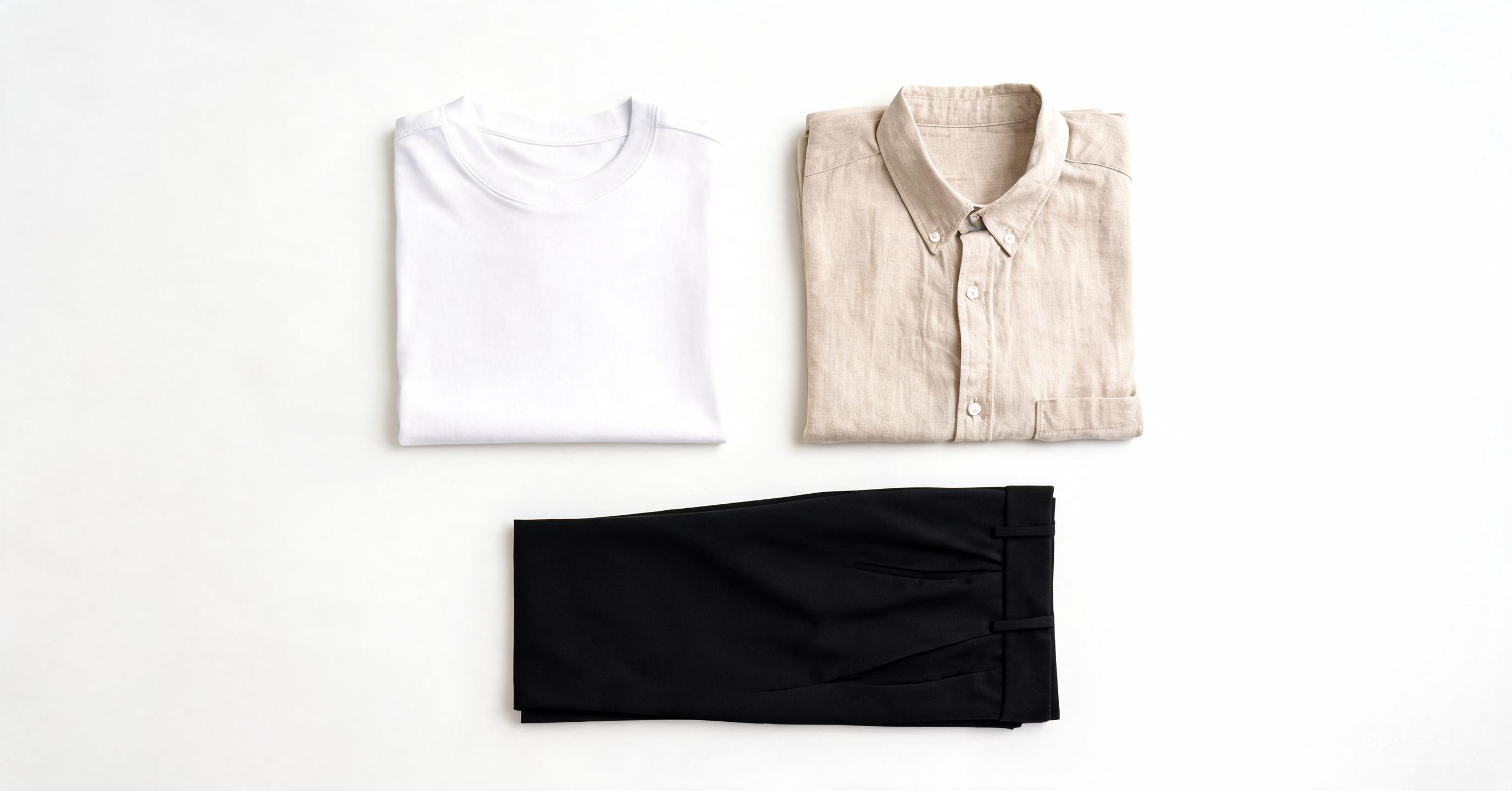
What Exactly Is a Minimalist Wardrobe?
In 2024, a survey by ThredUp's Annual Resale Report found that the average American only wears 50% of their wardrobe regularly. A minimalist wardrobe solves this directly — it is a curated collection of 30 to 40 pieces, each chosen intentionally to mix, match, and carry you from Monday morning meetings to Saturday evening plans.
The concept, popularized by fashion consultants in the 1970s and revived by French "no-buy" movements, is rooted in the idea that style should be effortless. Every item earns its place by working with at least three other pieces in the closet.
"A minimalist wardrobe isn't a destination — it's an ongoing editing practice. The real skill isn't buying less, it's buying right."
How Do You Choose Your Core Color Palette?
Color is the architecture of a capsule wardrobe. Fashion historians note that classic neutral pairings — black, white, grey, navy, camel — have remained commercially dominant for over a century because they transition across seasons without friction. Choosing 3–4 neutrals as your base and 1–2 accent colors (olive, burgundy, cobalt) gives you a palette that reads as intentional, not boring.
The 80/20 Neutral Rule
Aim for 80% of your pieces in neutral tones and 20% in deliberate accent colors. This ratio, observed consistently in editorial capsule wardrobes from Who What Wear, ensures every top pairs with every bottom without visual conflict.
Skin Tone Mapping
Warm undertones (golden, peachy skin) are flattered by camel, rust, and warm whites. Cool undertones (pink or blue-tinted skin) shine in classic navy, crisp white, and slate grey. Choosing your neutrals based on undertone keeps your wardrobe cohesive and flattering simultaneously.
Which Pieces Should Every Minimalist Wardrobe Include?
According to style editors at Vogue's capsule wardrobe guides, 10 foundational items account for roughly 90% of outfit combinations in a functional minimalist closet. These are the non-negotiables:
- A crisp white button-down shirt — the single most versatile piece in any wardrobe
- A well-fitted pair of dark-wash or black jeans
- A tailored blazer in a neutral tone (camel, navy, or charcoal)
- A simple crewneck or V-neck knit in grey or cream
- Black trousers (straight-leg or wide-leg, depending on your preference)
- A classic trench coat or wool overcoat
- A quality white tee (heavyweight cotton, not thin)
- A versatile midi dress or shirt dress
- Straight-cut linen or chino trousers in beige or khaki
- A simple, structured handbag in leather or vegan leather
"When we styled a 33-piece capsule wardrobe for a busy professional client, she reported 40% fewer 'nothing to wear' mornings within the first week."
How Do You Evaluate Quality vs. Price?
In 2023, the McKinsey State of Fashion report highlighted that consumers are shifting toward fewer, higher-quality purchases — with 64% of shoppers saying "durability" is now more important than trend-currency. The "cost-per-wear" (CPW) formula brings this to life:
CPW = Purchase Price ÷ Number of Times Worn
A $120 linen shirt worn 80 times has a CPW of $1.50. A $25 trendy top worn 4 times has a CPW of $6.25. The linen shirt wins on every metric. When evaluating a piece, ask: will I wear this 30+ times? If yes, invest.
Fabric Signals to Look For
Natural fibers — cotton, linen, wool, silk — breathe, age well, and drape naturally. Synthetic blends often pill, lose shape, and retain odor faster. A simple fabric-check habit: read the label before you reach for the hanger.
Ready to Build Your Capsule Wardrobe?
Explore TrendThread Studio's curated essentials — every piece chosen for longevity, versatility, and effortless style.
Shop the Collection →How Do You Maintain and Refresh a Minimalist Wardrobe?
A capsule wardrobe isn't static. Fashion stylist experts recommend a quarterly review: pull every item out, assess what's worn, what's gathering dust, and what needs replacing. The "one-in, one-out" rule is the single most effective maintenance practice — for every new piece added, one leaves.
Seasonal refreshes don't require a total overhaul. Swapping summer linen trousers for wool-blend versions in the same silhouette keeps the wardrobe seasonal without doubling its size.
Frequently Asked Questions
How many items should a minimalist wardrobe have?
Most style experts recommend between 30 and 40 items, including shoes and outerwear. According to ThredUp's 2024 resale data, the average person regularly uses about 50% of their clothes — a focused 33-piece wardrobe ensures every single item earns its place and gets worn consistently.
Can a minimalist wardrobe work for all seasons?
Yes. The key is choosing pieces with seasonal versatility: a linen shirt that works spring through fall, a wool knit that bridges autumn and winter. Layering is the minimalist's superpower — one blazer can stretch across all four seasons in moderate climates, dramatically reducing total piece count.
Is it expensive to build a minimalist wardrobe?
Not necessarily. The upfront cost feels higher because you're choosing quality over quantity, but the cost-per-wear drops significantly over time. McKinsey's 2023 fashion study found that consumers who invest in 10 key quality items spend 30% less on clothing over a 3-year period than trend-chasing shoppers.
What colors work best for a minimalist wardrobe?
White, black, navy, camel, and grey are the five pillars recommended consistently by fashion editors at Vogue and Harper's Bazaar. These neutrals mix effortlessly, photograph well, and age gracefully. Adding one or two muted accent colors — olive, burgundy, or dusty blue — keeps the wardrobe from feeling monotonous.
How do I stop impulse-buying when building a minimalist wardrobe?
Apply the 72-hour rule: wait 3 days before purchasing any non-essential item. Studies in consumer behavior show that 80% of impulse purchase urges fade within 72 hours. Keeping a written "wardrobe wishlist" of specific gaps also redirects shopping energy toward intentional, strategic additions.
Conclusion
Building a minimalist wardrobe is one of the most rewarding style investments you can make. Start with a palette of 3–4 neutrals, anchor your collection with 10 foundational pieces, apply the cost-per-wear test to every purchase, and practice quarterly editing. The result isn't a closet full of boring basics — it's a wardrobe that works harder, lasts longer, and makes you feel genuinely great every time you open the door.
1. ThredUp — "2024 Annual Resale Report", retrieved 2026-05-12, https://www.thredup.com/resale/
2. McKinsey & Company — "State of Fashion 2023", retrieved 2026-05-12, https://www.mckinsey.com/industries/retail/our-insights/state-of-fashion
3. Vogue — "The Ultimate Capsule Wardrobe Guide", retrieved 2026-05-12, https://www.vogue.com/article/capsule-wardrobe-essentials
4. Who What Wear — "How to Build a Capsule Wardrobe", retrieved 2026-05-12, https://www.whowhatwear.com/capsule-wardrobe